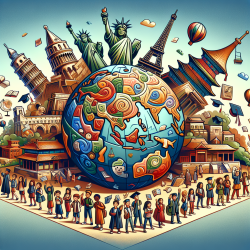
The world is becoming increasingly interconnected, and the need for global competencies in education has never been more critical. Ontario's Strategy for K–12 International Education is a pioneering effort that aims to integrate international perspectives into the educational framework, ensuring students are well-prepared to thrive in a diverse and interconnected world.
The Vision for Global Education
Ontario is recognized globally for its high-quality education system that prioritizes accessibility and inclusivity. The province hosts over 126,000 international students across all levels of education, contributing significantly to the economy and fostering cultural exchange. The strategy seeks to enhance this by providing opportunities for Ontario students to expand their global awareness and competencies both at home and abroad.
Key Components of International Education
- Global Awareness: Students are encouraged to develop an understanding of global issues and appreciate the diversity of cultures. This is achieved through enhanced curriculum offerings that include international contexts.
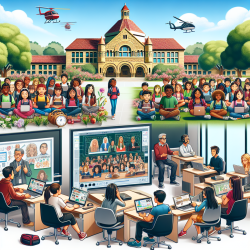
- Cultural Exchange: By integrating international students into local schools, Ontario aims to create a culturally rich learning environment that benefits all students.
- Educator Collaboration: Ontario educators share best practices globally, enhancing teaching methods and contributing to a richer educational experience for students.
The Four Pillars of Ontario's Strategy
The strategy is built on four foundational goals designed to integrate global education seamlessly into the existing system:
- Future-Oriented Learning: Developing global competencies through curriculum enhancements and experiential learning opportunities.
- High-Quality Programs for International Students: Providing a supportive environment that meets the academic and social needs of international students.
- Sharing Ontario's Educational Expertise: Encouraging international partnerships and exchanges that benefit educators and students alike.
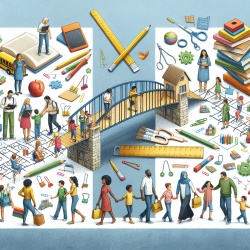
- Create Pathways for Postsecondary Education: Establishing clear routes from K–12 education to higher education and beyond, encouraging students to remain in Ontario.
The Benefits of International Education
The advantages of embracing an international education strategy extend beyond academic achievements. Students gain critical thinking skills, cultural empathy, and a broader worldview. These competencies are essential in today's globalized economy where cultural sensitivity and international collaboration are paramount.
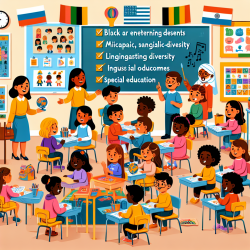
Culturally diverse classrooms foster acceptance and understanding among students. By building networks with peers from different backgrounds, students learn to challenge stereotypes and appreciate the richness of diversity.
The Economic Impact
The presence of international students contributes over $4 billion annually to Ontario's economy and supports over 30,000 jobs. These economic benefits underscore the importance of maintaining and expanding Ontario's role as a leader in international education.
A Collaborative Approach
The success of Ontario's strategy hinges on collaboration between various stakeholders including educators, policymakers, students, and communities. By working together, these groups can create an enriched educational environment that promotes lifelong learning and prepares students for global citizenship.
The Ministry of Education continues to lead efforts in championing international education as essential for modern learning. This includes developing policies that support high-quality programs both domestically and abroad while facilitating stakeholder dialogue to share best practices.
A Call to Action
The journey towards integrating international perspectives in education is ongoing. It requires commitment from all levels of the educational ecosystem—from individual classrooms to government ministries—to ensure that every student has access to the opportunities they need to succeed in a globalized world.
"We will strengthen our province and our country by teaching our young people to look past differences and seek commonality."