
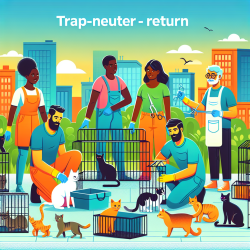
Introduction: The Power of Trap-Neuter-Return (TNR)
The Trap-Neuter-Return (TNR) program has emerged as a pivotal strategy for managing free-roaming cat populations. This method, which involves trapping, neutering, and returning cats to their original locations, has been gaining traction across the United States. A recent case study conducted in a Chicago neighborhood provides compelling evidence of TNR's effectiveness, offering valuable insights for practitioners looking to enhance their skills and contribute to community welfare.
Lessons from Chicago: A Case Study in Citizen Science
The study, titled "A Case Study in Citizen Science: The Effectiveness of a Trap-Neuter-Return Program in a Chicago Neighborhood," highlights the significant impact of a TNR program initiated by a dedicated citizen scientist. Over a ten-year period, the program achieved a mean reduction of 54% in cat populations from entry levels and 82% from peak levels. This success was largely attributed to the diligent efforts of the program's founder, who meticulously tracked and managed the cat colonies.
Implementing TNR: Steps for Practitioners
For practitioners eager to replicate this success, consider the following steps:
- Engage the Community: Build strong relationships with local residents and stakeholders to gain support for the TNR initiative. Community involvement is crucial for identifying cat colonies and ensuring the program's sustainability.
- Data Collection and Analysis: Adopt a systematic approach to data collection, tracking each cat's status, and analyzing population trends. This will help in assessing the program's impact and making informed decisions.
- Partnerships with Local Organizations: Collaborate with local animal welfare organizations and veterinary clinics to access resources and expertise. These partnerships can provide essential support for sterilization surgeries and vaccinations.
- Education and Advocacy: Educate the public about the benefits of TNR and advocate for supportive policies. Raising awareness can lead to increased community participation and funding opportunities.
Encouraging Further Research
While the Chicago case study provides valuable insights, further research is needed to explore TNR's long-term effects and its potential for broader application. Practitioners are encouraged to conduct their own studies, share findings, and contribute to the growing body of knowledge on TNR's effectiveness.
Conclusion: A Call to Action
The success of the TNR program in Chicago underscores the potential of citizen science and community-driven initiatives in addressing complex issues like free-roaming cat populations. By implementing TNR strategies and engaging in further research, practitioners can make a significant impact on animal welfare and community well-being.
To read the original research paper, please follow this link: A Case Study in Citizen Science: The Effectiveness of a Trap-Neuter-Return Program in a Chicago Neighborhood.